

What to Expect at a Silent Disco for Weddings: A First-Timer's Guide
By Bay Area Beats DJs | September 15, 2026
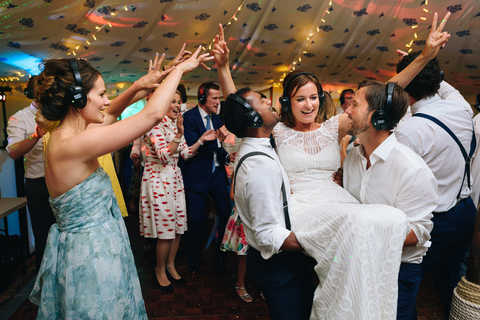
We hear this a lot: you love the idea, but you’re nervous because you’ve never done a silent disco wedding before. Totally normal. The good news is that couples and event teams who work with us tend to rebook, and that usually happens because the process feels organized and easy on the day.
A Silent Disco for weddings uses wireless headphones so guests choose their channel and volume. Expect a 30–90 minute setup, a quick headphone fitting and demo, clear channel labels, and a short tech rundown before dancing starts. Below, we’ll walk you through what to plan, how the timeline works, and how we keep it guest-friendly, especially in noise-restricted San Francisco venues.
Before the wedding: channel planning + timeline details that prevent stress
Your silent disco goes smoothly when we lock in a few decisions early. Our team stays responsive and flexible, and we’ll use that time to help you make choices that fit your crowd, your venue, and your noise rules.
Plan this first: pick your channel roles. A common setup is 2–3 channels, like a DJ-led dance channel, a requests channel, and a lower-intensity mix for guests who want familiar classics.
Then we’ll map the timeline around the moments that matter: entrances, first dance, toasts, and any cultural transitions. If you’re dealing with local noise rules or a strict venue curfew, silent disco is one of the cleanest solutions because the room can look like a full dance party without pushing outdoor sound limits.
Let us know your headcount, your venue layout, and how you want announcements handled. If you’re searching for a San Francisco Silent Disco DJ, this planning piece is what separates “we rented headphones” from a night that feels professionally run.
The day-of walkthrough: setup, headphone demo, and that first song
On the day, we arrive early enough to get everything staged without stepping on your photo timeline. That “early and detail-oriented” approach matters more than people realize, because silent disco has a few extra moving parts: transmitters, channel labels, charging, and the physical handoff of headphones.
1) Setup (usually 30–90 minutes, depending on the room)
We set up the transmitters and DJ gear, test each channel, and confirm coverage in the dance area. If your wedding also needs DJ/MC flow earlier in the night, we coordinate so transitions feel smooth instead of “now we’re switching systems.”
2) Headphone handout + quick demo (the part that calms everyone down)
Guests get shown two things: how to change channels, and how to adjust volume. That’s it. We keep it simple, and we stay visible so your grandparents and your friends who “hate tech” aren’t left guessing. Hygiene matters too, so we handle headphones in a clean, organized way and avoid the messy free-for-all pile that makes people hesitate.
3) The dancefloor starts, and our DJs do what DJs do
This is where a silent disco either feels electric or falls flat. We’re not “just throwing on a playlist.” We read the room, hype the crowd, and keep the energy up so the dancefloor stays occupied. It’s also why couples hire us as their San Francisco Wedding DJ when they want real entertainment plus the headphone experience.
"I hired Adrian to DJ a silent disco event for a residential community in Mission Bay and him and his team absolutely killed it! If you’re looking for more than someone just throwing on a playlist and want actual entertainers that will read and hype the crowd, you’ve come to the right place."
, one of our regular event clients
Quiet venue tip: For SF silent disco setups with outdoor restrictions, we’ll help you plan a clear announcement moment so guests understand what’s happening before we go headphone-only.
After the first dance set: batteries, announcements, and keeping everyone included
Once the party is rolling, your job is to enjoy it. Ours is to keep it running. We plan for the “what if” moments that first-timers worry about.
- Battery plan: we bring charged spare headphones and keep an eye on any units that need a swap so nobody gets stuck mid-song.
- Announcements: we keep a wired speaker option available for key moments like cake cutting, last call, or a venue-required wrap-up.
- Inclusive setup: we recommend simple signage at the headphone pickup and a non-headphone listening area for guests who opt out.
- Music variety: silent disco is unique because you can offer multiple music options at once, which is a big deal for mixed ages and mixed tastes.
If you’re also planning other events, a lot of our couples and teams come back for a silent disco event at a company party or community gathering. We’ve been at this for 18 years, and repeat bookings are one of the strongest signs you’ll feel taken care of on your wedding day.
Insider tips we’ve learned after years as a San Francisco DJ team
Here’s the stuff that makes a difference, especially if you’re comparing a silent disco rental to hiring an actual DJ team.
Tip #1: Put your “how-to” signage where the headphones are handed out, not on a table across the room. It cuts questions down fast.
Tip #2: assign one channel as the “safe bet” for the full room. That’s the channel that gets guests back on the floor after dinner, speeches, or a temperature drop outside.
Tip #3: if you’re doing anything outdoors in San Francisco, confirm curfews and outdoor-sound restrictions early, then build your schedule so you’re not rushing the last 20 minutes. Silent disco solves a lot, but timelines still matter.
If you’re ready to talk through your wedding plan, we’ll help you decide between a full DJ experience and a silent disco headphone rental setup that still feels like a real party. Start with our silent disco services in the Bay Area, then reach out so we can build a timeline that fits your venue’s rules and your guest list.
Silent disco wedding FAQs we get every week
How loud is a silent disco for weddings?
In the room, it’s usually surprisingly quiet because the music is in the headphones, not blasting from speakers. Guests control their own volume. That’s why silent disco is such a strong fit for noise-restricted venues or outdoor curfews.
Do all guests have to wear headphones at a silent disco wedding?
No. A lot of people love the headphones, but we also plan for guests who opt out. We recommend a simple non-headphone listening area and clear signage so everyone still feels included.
How do guests switch songs or channels during a silent disco?
They switch channels right on the headphones. We do a quick demo at the start so guests know how to change channels and adjust volume without needing help every time a new song comes on.
What happens if headphones run out of battery during the reception?
We plan for it. We keep charged spares ready so we can swap a unit quickly and get that guest right back on the floor.
Will a silent disco work for older guests or grandparents?
Yes, especially when you give them an easy channel option. One of the best parts of Silent Disco for weddings is offering multiple music choices at once, so older guests can dance to favorites while others stay on a more current mix.
When people search “sf silent disco, ” what should they look for?
Look for a team that does on-site setup and pickup, has a clear backup plan, and brings real DJ presence. If you want a San Francisco Corporate DJ for a team event or a San Francisco Private Party DJ for a birthday, that same professionalism is what makes a wedding silent disco feel effortless.
What counts as a “silent disco event”?
Any event where guests listen through wireless headphones and choose between music channels. Weddings are a popular fit, but we also do corporate gatherings and residential community events where venue noise limits are a concern.
What’s included in a silent disco rental vs. booking a team?
A basic silent disco rental focuses on equipment. When you book our team, you’re also getting DJs who read the room, help shape the channel plan, and keep the dancefloor energy up so it feels like a real reception, not just headphones.
What does “silent disco headphone rental” mean for a wedding day timeline?
It means you’ll want a setup window (often 30–90 minutes), time for a short demo, and a clear point in the night when headphones are handed out. We’ll help you fit it into the flow with entrances, toasts, and your first dance.